
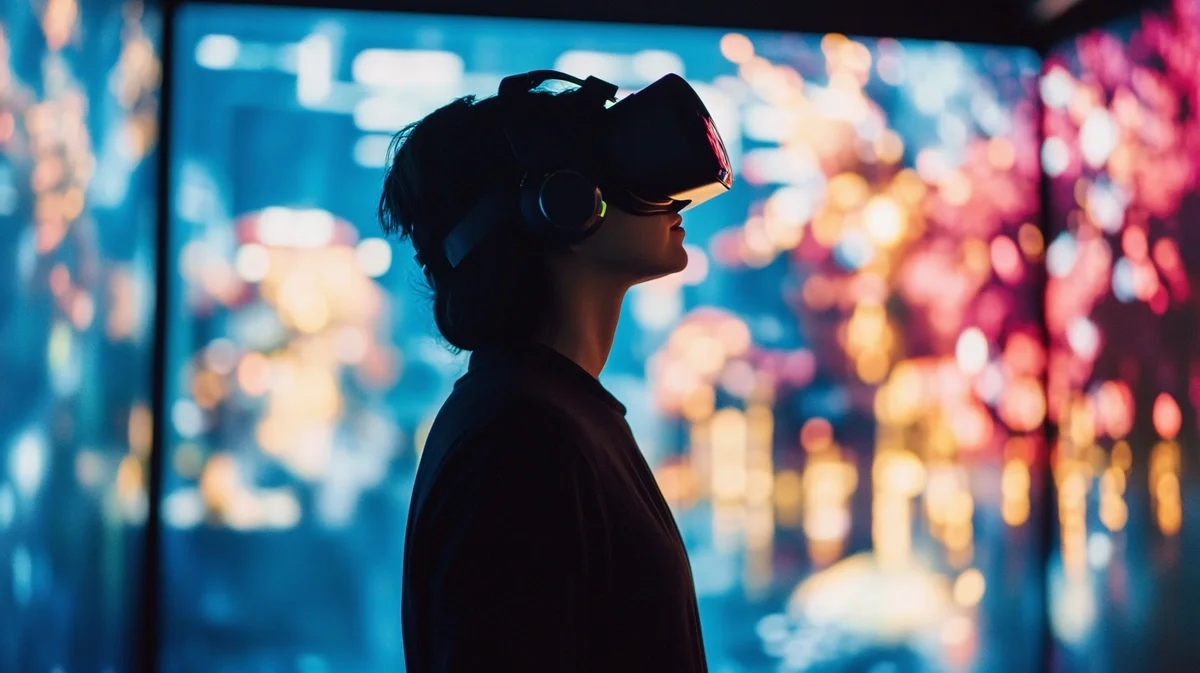
7 Types of Immersive Event Technology Your Guests Will Never Forget
written by Keith Neely , 3 months agoYour guests scroll through dozens of event invitations every week. Most events blur together in their memories within days. Immersive event technology transforms ordinary gatherings into unforgettable experiences that attendees talk about for months.
This guide walks you through seven proven immersive technology options that create lasting impressions. You'll learn which technologies work for different event types, how to implement them without overwhelming your budget, and why the right tech choices paired with FreshTix's ticketing platform turn one-time attendees into loyal fans who can't wait for your next event.
Key Takeaways
-
Augmented reality works on attendees' phones - No special equipment needed, making AR the most accessible immersive event technology for events of any size.
-
Virtual reality creates emotional connections - VR stations deliver fully immersive experiences that justify higher ticket prices and attract premium sponsors.
-
Projection mapping transforms ordinary venues - Turn walls, floors, and stages into dynamic displays that create Instagram-worthy moments attendees naturally share.
-
RFID technology personalizes every interaction - Badges and wristbands enable cashless payments, fast check-ins, and data collection that sponsors value.
-
Mobile apps connect all your tech - A central event app serves as the hub for AR experiences, VR bookings, and real-time updates that keep attendees engaged.
-
Start simple and expand strategically - Begin with one or two technologies that solve specific problems, then add more as you see what resonates with your audience.
-
Integrated systems deliver better experiences - Technology works best when your ticketing platform, mobile app, and onsite tools share data seamlessly.
Why Immersive Event Technology Matters More Than Ever
Immersive event technology creates experiences that justify ticket prices, attract sponsors, and build communities around your events. The technology solves three critical challenges facing today's event organizers.
People have endless entertainment options competing for their time and money. Audiences expect more than speakers on stages, and event organizers need to demonstrate clear value that justifies higher ticket prices and attracts sponsor investment.
Type 1: Augmented Reality (AR), Enhancing Physical Spaces
Augmented reality overlays digital content onto the real world through smartphone cameras. AR represents the most accessible form of immersive technology because it works on devices attendees already own.
Attendees point their phones at physical spaces to see additional information, interactive elements, or entertainment. The technology recognizes specific images, locations, or markers and displays digital content on top of what the camera sees.
Practical AR Applications for Events
Interactive venue maps guide attendees to sessions or booths, solving one of the most common event frustrations. Sponsor activations where attendees unlock exclusive content create value for sponsors while engaging guests.
Photo opportunities with virtual elements:
-
Attendees pose with virtual mascots or branded elements
-
Virtual backgrounds appear only through the AR app
-
Shareable photos extend event visibility on social media
-
TikTok marketing strategies amplify reach beyond physical attendees
What You Need to Get Started with AR
Web-based AR (WebAR) offers the lowest barrier to entry since it doesn't require app downloads. Attendees simply scan a QR code with their phone's camera to launch the AR experience.
Budget for AR content creation, which typically involves working with developers who specialize in AR applications. Creating seamless check-in experiences sets the foundation for successful technology integration with mobile ticketing solutions, streamlining event entry.
Type 2: Virtual Reality (VR), Transporting Guests to New Worlds
Virtual reality uses headsets to place attendees in completely digital environments. VR creates fully immersive experiences that work particularly well for training events, brand activations, and entertainment zones.
When someone puts on a VR headset, they see only the digital world you've created. They can look around 360 degrees, interact with objects, and feel genuinely present in spaces that don't physically exist.
Event Applications That Justify VR Investment
Training sessions where attendees practice skills in safe, simulated environments represent VR's most practical application. Brand experiences that transport attendees to product locations or scenarios create emotional connections.
Entertainment zones provide attendees with breaks between sessions:
-
Gaming experiences offer relaxation opportunities
-
Virtual concerts create unique moments
-
Artistic environments complement educational content
-
Interactive spaces round out business networking
Setting Up VR Stations Successfully
VR experiences work best in dedicated stations with staff supervision. Budget for headsets, computers to run the experiences, comfortable seating areas, and staff to manage equipment.
Station setup requires dedicated space away from high-traffic areas:
-
Attendees need a clear space to move safely
-
Electrical outlets required for charging equipment
-
Staff needed to assist with headset setup
-
Sanitization protocols between uses
Type 3: Interactive Projection Mapping, Transforming Ordinary Venues
Projection mapping turns walls, floors, stages, or objects into dynamic displays. This immersive event technology works particularly well for large venues where you want to create Instagram-worthy moments.
The technology uses specialized software to map digital content precisely onto three-dimensional surfaces. Interactive versions respond in real-time to triggers like motion sensors, touch, or sound.
Creative Ways to Use Projection Mapping
Stage backdrops that change with presentation content enhance keynotes without requiring physical set changes. As speakers move through different topics, the backdrop transforms to match.
Interactive floors transform space into entertainment:
-
Ripples spread from footsteps
-
Flowers bloom where people walk
-
Branded elements appear and react to movement
-
Games activate when groups gather
Building exteriors become massive displays for opening ceremonies, creating spectacular moments that generate buzz, similar to creative decoration strategies that transform event spaces.
Type 4: Holographic Displays, Bringing Remote Speakers to Life
Holographic technology creates three-dimensional images that appear to float in space. This immersive technology enables remote presenters to appear on stage as lifelike projections.
The speaker presents from a studio or remote location while appearing on your stage in three dimensions. The technology requires filming the speaker against a special background, then transmitting that footage to your event location.
Applications Beyond Remote Presentations
Product demonstrations that show 360-degree views help exhibitors showcase items from every angle. Attendees can walk around the holographic display to see products from different perspectives.
Additional holographic applications include:
-
Historical figures or characters for themed events
-
Museums bringing historical figures to life
-
Training events featuring demonstration characters
-
Multiple speakers appearing from different locations
Type 5: RFID and NFC Technology, Personalizing Every Interaction
Radio-frequency identification and near-field communication enable contactless interactions through badges, wristbands, or cards. This behind-the-scenes immersive technology reduces wait times, facilitates payments, and gathers engagement data.
The technology embeds a small chip and antenna in a badge or wristband. When the chip comes near a reader, it transmits its unique identifier linked to the attendee's registration profile.
Practical Applications That Improve Guest Experience
Fast check-in reduces entry wait times and addresses one of the most common attendee complaints. Instead of scanning tickets or checking names, attendees simply tap or walk through readers.
Additional RFID applications streamline the event experience:
-
Cashless payments eliminate the need for wallets
-
Session attendance tracking provides accurate data
-
Lead capture for exhibitors simplifies information collection
-
Seamless integration with ticketing platforms
Type 6: 360-Degree Video, Extending Your Event's Reach
Capturing your event with 360-degree cameras creates content that extends value beyond the event date. This technology gives viewers control over their viewing angle and creates a presence for remote audiences.
360-degree cameras capture every angle simultaneously. Viewers feel like they're standing in the venue, able to look around and choose what they focus on.
Strategic Uses for 360-Degree Content
Live streaming that gives remote attendees control creates more engaging experiences than traditional streaming. Remote viewers can look around the venue and feel more present.
Additional applications maximize 360-degree capture value:
-
Highlight reels showcase event energy and scale
-
Marketing content for future events shows rather than tells
-
Prospective attendees virtually attend previous events
-
First-person perspectives demonstrate event quality
Type 7: Mobile Event Apps, Connecting All Your Technology
Mobile event apps serve as the foundation that connects all your immersive event technology. A comprehensive event app provides access to everything from AR experiences to real-time updates.
The app becomes the single interface attendees interact with, simplifying their experience. Apps solve the discovery problem by showing attendees what options exist and how to access them.
Essential Features for Technology-Enhanced Events
Interactive maps and wayfinding help attendees navigate your venue and discover experiences. Maps can highlight AR activation points, VR station locations, and photo opportunities.
Key app features that enhance technology integration include:
-
Personalized agendas based on attendee interests
-
Real-time notifications about schedule changes
-
Alerts about short wait times at popular stations
-
Integration with ticketing and payment systems
How to Choose the Right Immersive Event Technology
Selecting the right immersive technology for your event starts with understanding your goals, audience expectations, and operational capabilities. Not every event needs every technology.
Consider what you want to accomplish. Are you trying to increase engagement, create shareable moments, or solve logistical challenges? Your goals should drive technology choices.
Consider Budget and ROI
Immersive event technology investments range from hundreds to tens of thousands of dollars. Measure potential ROI through increased ticket sales, sponsor satisfaction, and attendee engagement.
AR experiences typically offer the best cost-to-engagement ratio:
-
Development costs vary based on complexity
-
Custom AR activations cost less than VR
-
Wider reach on devices attendees own
-
Lower equipment and staffing requirements
Making Technology Work with Your Event Platform
The most successful implementations happen when all systems connect seamlessly. Disconnected platforms create data silos and force attendees to navigate multiple apps.
When your ticketing platform, mobile app, and RFID system share data, you create better experiences. Attendees benefit from personalized experiences powered by unified data.
Key Integration Points
Attendee data flows from ticketing to personalization systems automatically when platforms integrate properly. Someone's ticket type and registration responses should be available to all systems.
Check-in connects to RFID badge activation seamlessly:
-
RFID system accesses registration details instantly
-
Payment information syncs for cashless transactions
-
Mobile apps access real-time ticketing inventory
-
Attendees upgrade tickets without leaving the app
Frequently Asked Questions
What is immersive event technology?
Immersive event technology uses tools like augmented reality, virtual reality, projection mapping, and RFID to create interactive experiences that engage attendees beyond traditional event formats.
How much does immersive event technology cost?
Costs range from a few hundred dollars for AR experiences to tens of thousands for VR or holographic displays. Start with accessible options like mobile apps before expanding.
What type of immersive technology is best for small events?
Augmented reality and mobile event apps work best for small events because they use attendees' smartphones, require minimal equipment, and scale easily without major infrastructure investments.
How does RFID technology improve the attendee experience?
RFID enables fast check-ins, cashless payments, and personalized interactions through badges or wristbands. Attendees tap to enter sessions, purchase items, and unlock exclusive content seamlessly.
Can immersive event technology integrate with ticketing platforms?
Yes, immersive technologies work best when integrated with ticketing platforms like FreshTix. This creates seamless data flow from registration through onsite experiences for personalized attendee journeys.
Get Started: Create Unforgettable Events with FreshTix
Immersive event technology offers practical tools for creating experiences that attendees remember and share. Success comes from choosing the right tools that align with your event goals, much like selecting seasonal themes or wellness concepts that resonate with your audience.
Don't let your events blend into the forgettable background. Get started with FreshTix to build the ticketing foundation that supports your immersive technology strategy and creates experiences your guests will never forget.
20 Creative and Unique Valentine's Day Themes for Every Type of Celebration How to Manage an Event Budget: Smart Strategies for Event Planners