
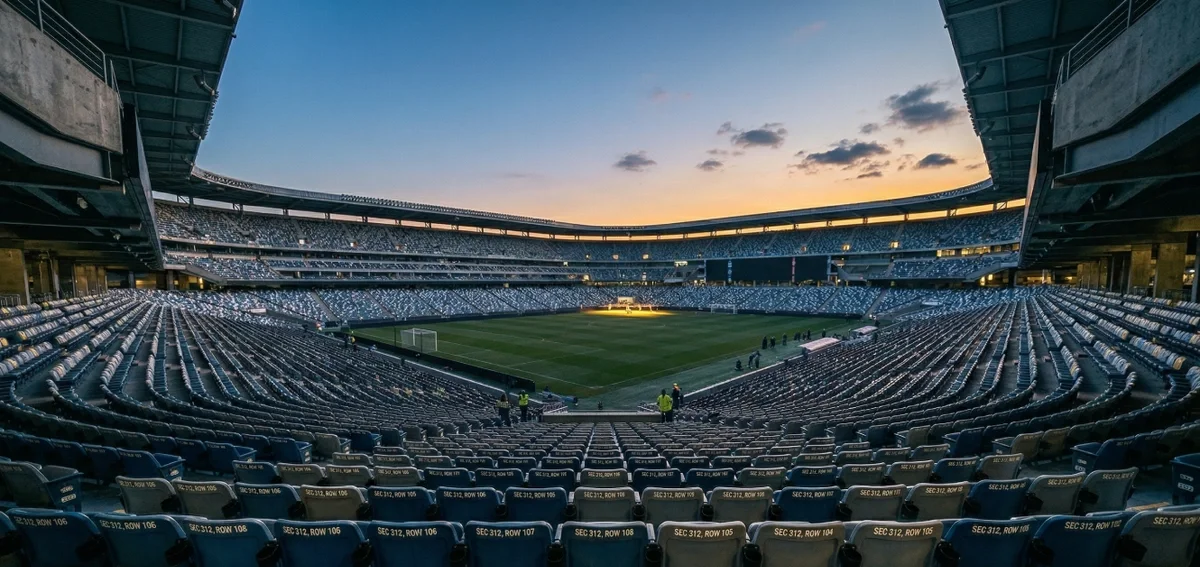
Reserved seating is one of those features that changes the entire feel of an event. When attendees know their seat is waiting for them, they arrive relaxed, find their spot quickly, and enjoy a better experience from the start. For organizers, it opens the door to tiered pricing, stronger sales, and a more polished event overall.
This guide covers what reserved seating is, how it works from setup to check-in, and when it makes the most sense for your event. If you're planning a concert, theater event, or conference, learning how reserved seating ticketing software works can help you make smarter ticketing decisions before your event goes on sale.
Table of Contents:

What Is Reserved Seating at Events?
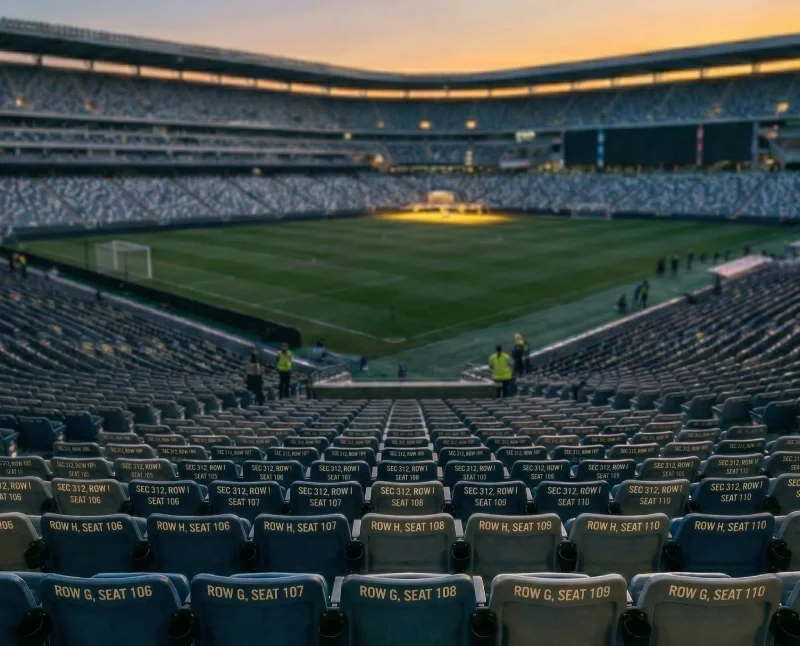
Reserved seating is a ticketing system where attendees select a specific seat, by section, row, and seat number, when purchasing a ticket, and that seat is held for them when they purchase the ticket.
Unlike general admission, where attendees compete for spots on a first-come, first-served basis, reserved seating gives every ticket buyer a guaranteed place. It works well for any event where the attendee experience matters and where organizers want to create a structured, predictable environment for their audience.
Key Features of Reserved Seating:
-
Assigned seat with section, row, and seat number
-
Seat selection completed during checkout
-
Guaranteed entry to that exact spot
-
There is no need to arrive early to secure a better seat
-
Visual seat map displayed during purchase
How Reserved Seating Works
Setting up reserved seating follows a clear process, from building your seat map to scanning tickets at the door. Here is how each step works.
Step 1: Organizer Sets Up a Seating Chart
Upload or build a venue seat map, define sections, rows, and seat numbers, and group seats into pricing tiers. This gives you full control over how your venue is organized before a single ticket goes on sale.
Step 2: Ticket Buyers Choose Their Seats
An interactive seating map shows available seats in real time. Attendees select their exact seats before checkout, and pricing adjusts automatically based on seat location. This gives buyers confidence and makes the purchase feel personal.
Step 3: Tickets Are Assigned and Confirmed
Each ticket is generated with the section, row, and seat number printed or stored digitally. Attendees receive their tickets immediately after purchase via email or through mobile ticket delivery, making access fast and convenient.
Step 4: Check-In and Entry
Staff scans tickets at the door using the ticket scanning app. Attendees go directly to their assigned seats without rushing or searching. There is no need to arrive early to secure a better seat, and no one has to hold spots for friends.
Reserved Seating vs. General Admission
Both reserved seating and general admission tickets work well, but they serve different event goals. Here is a side-by-side look at the key differences.
Choosing the right format depends on your venue layout, audience size, and the kind of experience you want to deliver. Good crowd management at events often comes down to making this decision early in the planning process.
Benefits of Reserved Seating for Attendees
Attendees get more than just a seat. Reserved seating delivers a better overall experience from the moment they purchase through the final curtain call.
Guaranteed Seats
No stress about losing a spot or scrambling to arrive early. Attendees purchase their ticket, select their seat, and show up whenever it works for them. Their spot is secured the moment the transaction is complete.
Better Event Experience
Assigned seating removes the uncertainty that comes with open floor events. Attendees know where they are sitting, how close they are to the stage, and what to expect, which creates a more comfortable and enjoyable experience overall.
Easier Group Planning
Friends and families can select adjacent seats during checkout, making it simple to coordinate without back-and-forth communication. Groups sit together automatically, without anyone needing to hold spots or arrive at different times.
Faster, Smoother Entry
When every attendee knows where they are going, entry moves quickly. There is no bottleneck at the door, no rush for prime spots, and no confusion about where to stand. Attendees walk in, scan their ticket, and head straight to their seats.
Benefits of Reserved Seating for Event Organizers
Reserved seating gives organizers more control, more revenue opportunities, and a cleaner operation from start to finish.
Increased Revenue with Tiered Pricing
Charge more for premium seats like front rows or center sections while keeping lower price points available for the rest of the venue. Tiered pricing lets you capture more value from high-demand areas without raising prices across the board. Event attendance tracking also helps you refine your pricing strategy over time.
Better Crowd Control and Safety
Assigned seating eliminates the entry rush that comes with general admission. Attendees spread out to their seats naturally, which reduces crowding at entry points and makes the overall flow of the event easier to manage for your staff.
More Professional Event Experience
Reserved seating signals that your event is well-organized and thoughtfully planned. Attendees notice the difference, and that perception carries over into how they feel about your brand, your venue, and the overall quality of the experience you deliver.
Improved Sales Insights
Track which sections sell first, which price tiers perform best, and where demand concentrates. That data helps you make smarter decisions about pricing, layout, and marketing for future events. Real-time event reporting and analytics put this information in front of you as soon as tickets start moving.
When Should You Use Reserved Seating?
Reserved seating works best for events where seat location shapes how attendees experience the show and where organizers want a more structured environment.
Best Event Types for Reserved Seating:
-
Concerts and live performances
-
Theater and performing arts
-
Conferences and keynote sessions
-
Sports events
-
Comedy shows
When General Admission May Be Better:
-
Festivals and open-floor events
-
Networking events
-
Small venues without fixed seating
Common Questions About Reserved Seating
What does a reserved seating ticket mean?
A reserved seating ticket confirms a specific seat, identified by section, row, and number, that is held for that ticket holder at the event.
Can attendees change their seats after purchase?
Seat changes after purchase depend on the organizer's settings. Some organizers allow exchanges, while others lock selections once the transaction is complete.
Is reserved seating more expensive?
Standard reserved sections are often priced similarly to general admission tickets, while premium seats cost more. Tiered pricing gives organizers flexibility to serve different budgets.
Do attendees need to arrive early?
There is no need to arrive early to secure a better seat. Attendees purchase their ticket, select their spot during checkout, and head in whenever they are ready.
What happens if someone sits in the wrong seat?
Staff can check ticket details using the Ticket Scanning App to verify seat assignments and help attendees find their correct location quickly.
Offer Reserved Seating with FreshTix
Reserved seating is one of those ticketing features that helps you deliver a more organized event experience while opening up higher revenue through strategic pricing. FreshTix reserved seating ticketing software gives you everything you need to build, sell, and manage assigned seating from one platform.
Ready to offer assigned seating at your event? Our breakdown of the best reserved seating ticketing software covers the top options side by side. Come see how FreshTix helps you build, sell, and manage reserved seating with less hassle.