
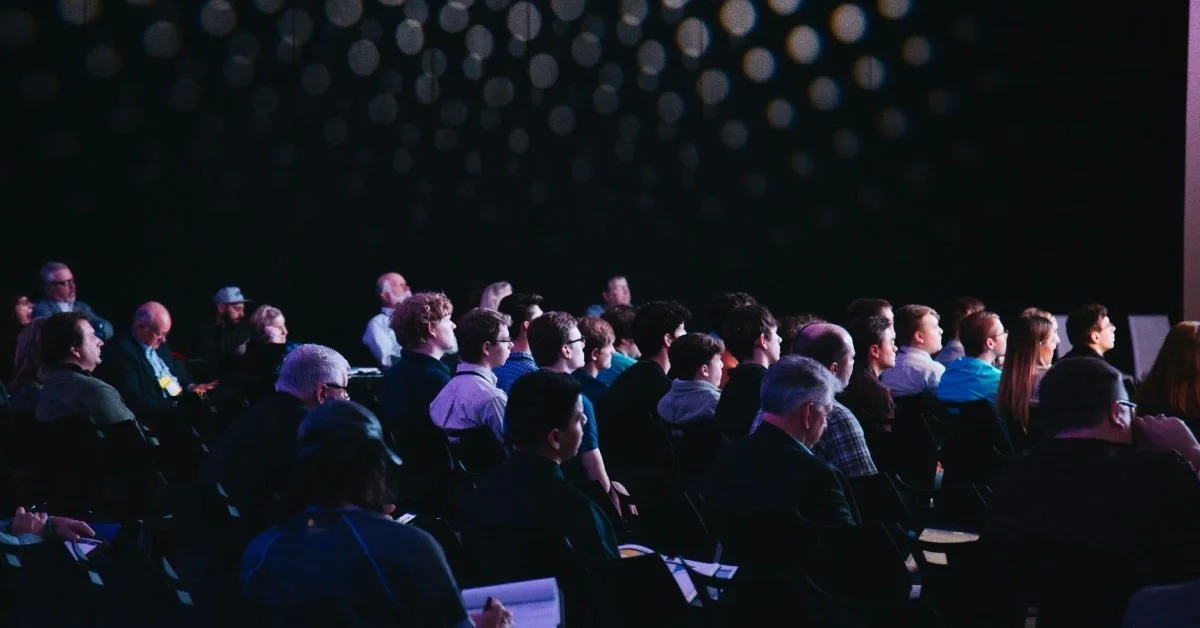
The events industry is moving fast. What worked last year won't necessarily work today, and what event organizers assume attendees want doesn't always match reality. In 2026, successful events are the ones that meet attendees where they are, not where planners think they should be.
From personalization tools that create custom experiences to hybrid models that expand reach without sacrificing quality, this year's trends reflect a fundamental shift in how events are designed, executed, and measured. These aren't predictions; they're patterns emerging from thousands of events already proving what works.
Top Event Trends for 2026
1. Hyper-Personalized Attendee Experiences
Events are using AI, CRM data, and behavior tracking to tailor agendas, sessions, and networking opportunities to individual attendees. This means different people attending the same event can have completely different experiences based on their interests, job roles, or past behavior.
What personalization looks like in practice:
-
Personalized session recommendations based on registration data and browsing behavior
-
Smart matchmaking algorithms that connect attendees with similar interests or complementary goals
-
Dynamic schedules inside event apps that adjust based on real-time choices and feedback
-
Customized email sequences that guide attendees toward relevant speakers or exhibitors
Personalization makes large events feel small. When a 5,000-person conference feels like it was designed specifically for you, engagement increases, dwell time extends, and satisfaction scores climb. Platforms like FreshTix support this shift with customizable event pages and data collection tools that help organizers understand their audiences before the event even starts.
2. Smaller, Intentional, and Micro-Events
Planners are prioritizing depth over scale. Instead of massive conferences that try to be everything to everyone, successful organizers are creating focused experiences for specific audiences.
Examples of this trend include:
-
Invite-only workshops limited to 50 participants that dive deep into niche topics
-
Industry-specific meetups that bring together decision-makers from a single sector
-
Multi-day "event weeks" with themed tracks that allow attendees to customize their experience
-
VIP dinners and roundtables that create intimate networking opportunities
Micro-events consistently deliver stronger ROI than large expos. With fewer attendees comes higher engagement, more qualified connections, and better post-event conversion rates. The economics work too, smaller events cost less to produce while often generating comparable or better revenue per attendee.
3. The Evolution of Hybrid Events
Hybrid events are no longer an afterthought or a backup plan. They're fully integrated experiences where virtual and in-person attendees receive equal value, just delivered differently.
Key shifts in hybrid event design:
-
Equal value proposition for both audiences, not treating virtual as "second tier"
-
Unified ticketing systems that make it easy to switch between in-person and virtual attendance
-
Live plus on-demand content strategies that extend event value beyond the live date
-
Interactive elements that connect virtual and in-person audiences in real time
Hybrid expands reach while preserving accessibility and inclusivity. A music festival can sell tickets online to local attendees while offering streaming access to fans worldwide. A professional conference can accommodate speakers and attendees who can't travel without sacrificing the in-person experience for those who do attend.
The technology infrastructure for hybrid events has matured significantly. Platforms now offer seamless streaming integration, virtual networking lounges, and real-time interaction tools that make remote attendance feel engaging rather than passive.
4. AI-Powered Event Operations
AI is quietly running the backend of modern events, handling tasks that used to require significant manual effort from event staff.
Practical AI applications in event management:
-
Forecasting attendance patterns based on historical data and current registration trends
-
Reducing check-in friction with facial recognition and predictive staffing algorithms
-
Automating customer support through chatbots that answer common questions instantly
-
Optimizing session scheduling based on speaker availability and attendee preferences
The planner benefit is clear: less manual work, fewer bottlenecks, and smoother attendee flow. When ticket scanning systems integrate with AI-powered check-in tools, lines move faster and staff can focus on hospitality rather than logistics.
5. Immersive Technology (AR & VR)
Immersion is replacing passive consumption. Attendees want to do things, not just watch presentations or walk past booths.
Examples of immersive technology at events:
-
AR wayfinding that overlays directions and information on attendees' phone screens
-
VR product demos that let attendees experience products in simulated environments
-
Interactive sponsor activations that turn brand booths into experiential installations
-
Mixed reality presentations that blend physical and digital elements
Immersive tech turns brands into experiences rather than advertisements. A car manufacturer doesn't just show photos of a new model, they let attendees take a virtual test drive. A software company doesn't just describe features, they create an AR game that demonstrates functionality through play.
For more on how technology is transforming events, see our guide to immersive event technology.
6. Active Participation Over Passive Viewing
Audiences want to do, not just watch. Lecture-style programming is giving way to interactive formats that require attendee involvement.
Formats gaining traction:
-
Hands-on labs where attendees work through problems with guidance from experts
-
Roundtable discussions with small groups and rotating topics
-
Live polling and Q&A sessions that shape the direction of presentations in real time
-
"Bring-your-data" clinics where attendees work on their actual business challenges
Events with interactive formats consistently outperform lecture-based agendas on engagement metrics. Attendees retain more information, report higher satisfaction, and are more likely to attend future events from the same organizer.
This shift requires different planning approaches. Interactive sessions need smaller room setups, more facilitators, and flexible timing. But the investment pays off in attendee experience and word-of-mouth marketing.
7. Events Designed for Community, Not Transactions
Events are becoming long-term relationship engines rather than one-time transactions. Smart organizers are building communities that exist before, during, and after the live event.
Examples of community-driven design:
-
Member lounges where returning attendees get exclusive access and networking opportunities
-
Curated networking zones organized by interest or industry rather than random mixing
-
Post-event communities through Slack channels or private forums that keep conversations going
-
Alumni programs that give past attendees benefits at future events
Community drives retention, referrals, and repeat attendance. When an event feels like coming home to your professional family rather than attending a conference with strangers, the value proposition changes completely. Attendees become ambassadors who actively recruit others to join.
Social media integration plays a crucial role in community building, allowing organizers to maintain connection points throughout the year.
8. Sustainability and Ethical Event Design
Attendees expect transparency and responsibility. Sustainability is no longer a nice-to-have feature, it's a basic requirement that influences attendance decisions.
Key focus areas for sustainable events:
-
Reduced waste through digital programs, reusable materials, and composting infrastructure
-
Digital tickets and badges that eliminate printing costs and waste
-
Clear communication about data usage and privacy protections
-
Partnerships with venues that demonstrate measurable sustainability practices
Sustainability is part of brand trust. Events that ignore environmental impact risk alienating attendees who care about these issues, particularly younger professionals who consider sustainability non-negotiable.
The good news is that sustainable practices often save money too. Digital ticketing reduces printing costs while improving the attendee experience through mobile convenience.
9. Sensory-Driven Event Experiences
Events are leaning into emotion and memory by designing multisensory experiences that create lasting impressions.
Examples of sensory design:
-
Lighting and soundscapes that create atmosphere and guide emotional responses
-
Small curated moments like chef demonstrations or art installations throughout the venue
-
Unexpected micro-experiences that surprise and delight attendees
-
Carefully designed spaces that encourage specific behaviors like networking or reflection
People remember how events felt, not just what they learned. A conference with great content but sterile environments won't stick in memory the way an event with the same content plus thoughtful design does.
Sensory design doesn't require massive budgets. Simple touches like signature scents, curated playlists, or thoughtfully placed art can transform the atmosphere without breaking the bank.
10. Data-Driven Event ROI (Before, During, and After)
Success is measured beyond attendance numbers. Modern event organizers track metrics that demonstrate actual business impact.
Metrics planners care about:
-
Pipeline influence showing which deals were affected by event attendance
-
Engagement depth measuring how many sessions attendees participated in and for how long
-
Retention and repeat attendance rates indicating long-term relationship building
-
Lead quality scores comparing event-generated leads to other marketing channels
The shift is using data before the event to shape strategy rather than just reporting afterward. Pre-event data helps organizers understand who's registered, predict no-show rates, and adjust programming based on attendee profiles.
FreshTix provides real-time analytics that give organizers visibility into ticket sales, attendance patterns, and revenue tracking throughout the event lifecycle.
What These Event Trends Mean for Event Planners in 2026
The through-line connecting all these trends is clear: experience beats scale, strategy beats logistics, and community beats one-off attendance.
Event organizers who succeed in 2026 will be those who:
-
Prioritize attendee experience over impressive attendance numbers
-
Use technology to enable human connection rather than replace it
-
Build long-term communities rather than one-time events
-
Measure success by impact rather than headcount
-
Design with intention rather than following last year's playbook
These shifts require different skills, tools, and approaches than traditional event planning. But they also create opportunities for differentiation. In a crowded events landscape, the organizers who embrace these trends will build more engaged audiences, generate better ROI, and create events that people actually remember.
How FreshTix Helps Event Organizers Adapt to These Trends
Modern event trends require modern tools. FreshTix provides the infrastructure event organizers need to implement personalized experiences, hybrid formats, and data-driven strategies without wrestling with outdated technology.
Key capabilities that support current trends:
-
Flexible ticketing systems that accommodate multiple ticket types, pricing tiers, and access levels for both in-person and virtual attendees
-
Mobile-optimized experiences that meet attendees where they are, with digital tickets, easy check-in, and real-time updates
-
Fast, low-friction entry through ticket scanning apps that work on standard iOS and Android devices
-
Real-time reporting that gives organizers visibility into sales, attendance, and engagement metrics before, during, and after events
-
Customizable event pages and branding tools that help create cohesive experiences aligned with event themes
For event organizers looking to stay ahead of industry shifts, the right platform makes the difference between struggling with logistics and focusing on experience design. Comparing options? See how FreshTix stacks up in the battle for the best ticket selling platform.
Frequently Asked Questions About Event Trends
What are the biggest event trends in 2026?
Hyper-personalization, micro-events, integrated hybrid formats, AI operations, immersive tech, active participation, community building, sustainability, sensory design, and data-driven ROI measurement.
Why are micro-events becoming more popular?
Micro-events deliver stronger ROI through deeper engagement, more qualified connections, lower costs, and comparable revenue per attendee versus large conferences.
How is AI changing the events industry?
AI automates customer support, forecasts attendance, optimizes check-in, and personalizes experiences, letting organizers focus on design rather than manual logistics.
Are hybrid events still relevant in 2026?
Yes, hybrid events expand reach and accessibility through unified ticketing, interactive features, and on-demand content without compromising in-person experience quality.
How can event organizers use data to improve ROI?
Track pipeline influence, engagement depth, retention rates, and lead quality. Use pre-event data for strategy, real-time analytics for adjustments.
8 Best Reserved Seating Ticketing Software for Events in 2026 What Is a Verified Resale Ticket? The Definitive Guide to Buying Secure Tickets